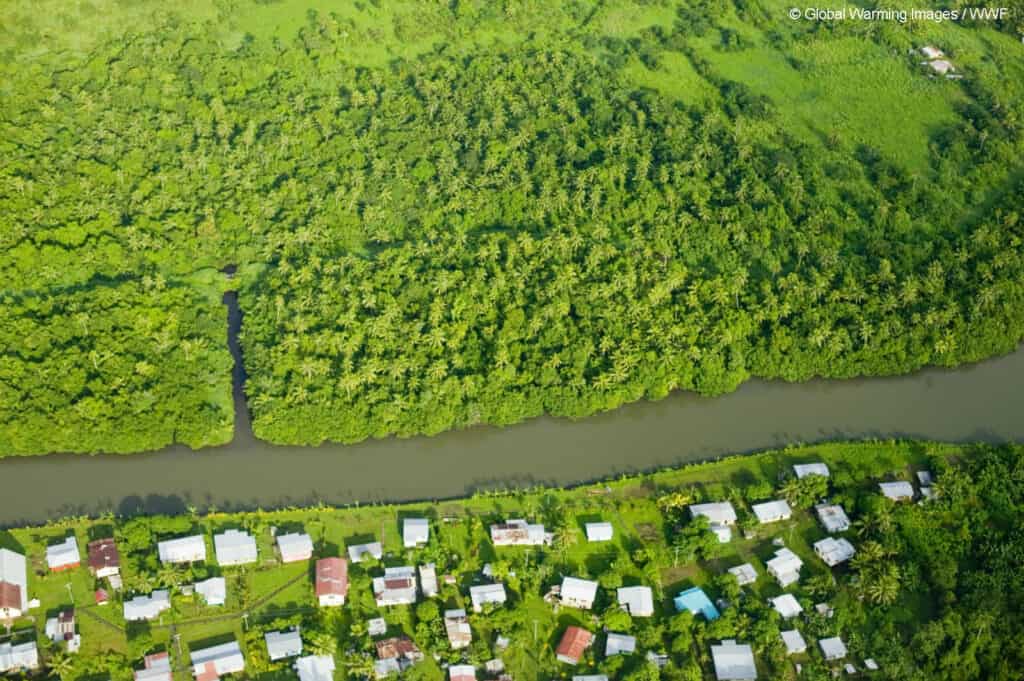
Restoring the Kafue Flats: A Partnership Approach to Environmental Flows in Zambia
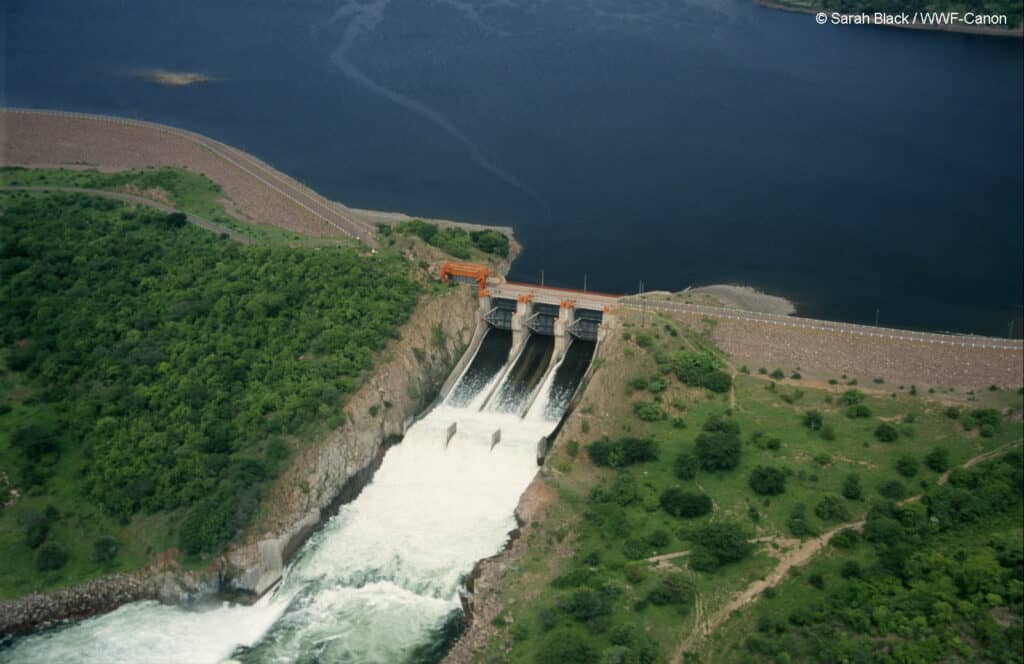
The establishment of environmental flows and the management of flood releases from existing dams is a complicated process involving numerous stakeholders. Whilst the benefits of environmental flows have been demonstrated in many parts of the world, there is much less experience with managed flood releases from reservoirs. In this paper, we will present the experience…
Read MoreRiver Basin Planning: Principles, Procedures and Approaches for Strategic Basin Planning
Growing competition for scarce water resources has driven major changes in the way river basin planning is undertaken. This has resulted in a shift away from ‘technical’ approaches designed to maximize water availability and led to more strategic approaches to basin planning. These approaches aim to optimize outcomes by reconciling the competing demands of different…
Read MoreSlowing the Flow: A Natural Solution to Flooding Problems
Flooding is one of the most challenging and costly realities of life in the 21st century.The natural behavior of rivers is becoming an increasingly unnatural force in villages, towns and cities across Europe and wider. As climate change combines with human pressures on the land, floods occur more often and leave greater damage when they…
Read MoreFlood Planner: A Manual for the Natural Management of River Floods
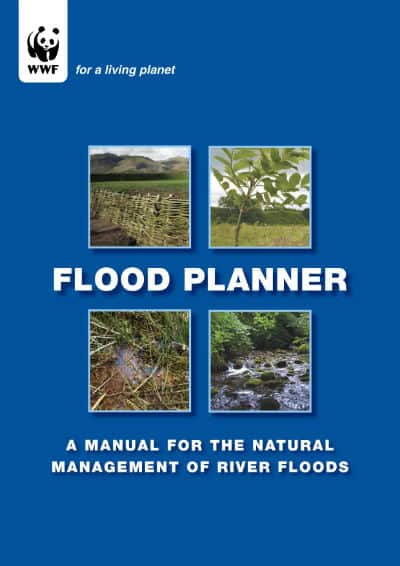
Flood Planner describes the natural component of sustainable flood management: natural flood management (NFM). This unique and practical resource for flood risk managers outlines the background to natural flood management and helps them perform their role in meeting current and future legislation. It provides evidence of the effect of NFM on runoff rates and storage…
Read MoreDealing with the Deluge: Urban Water Management in a Changing Climate

In this report we focus on the benefits of using innovative, sustainable urban drainage schemes to protect freshwater ecosystems, mitigate the effects of climate change and help to reduce the impact of flooding.
Read MoreGRRT Summary in Spanish
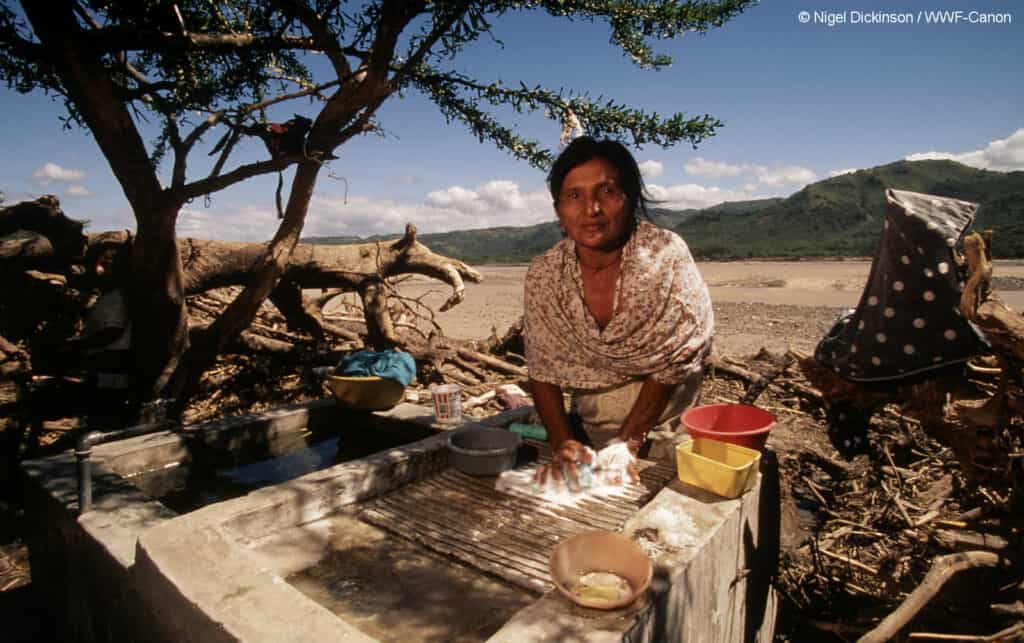
Caja de herramientas para la recuperación y la reconstrucción verde La reconstrucción de comunidades más fuertes, más seguras y más resilientes.
Read MoreImportance of Green Recovery and Reconstruction in Post-Earthquake Situations
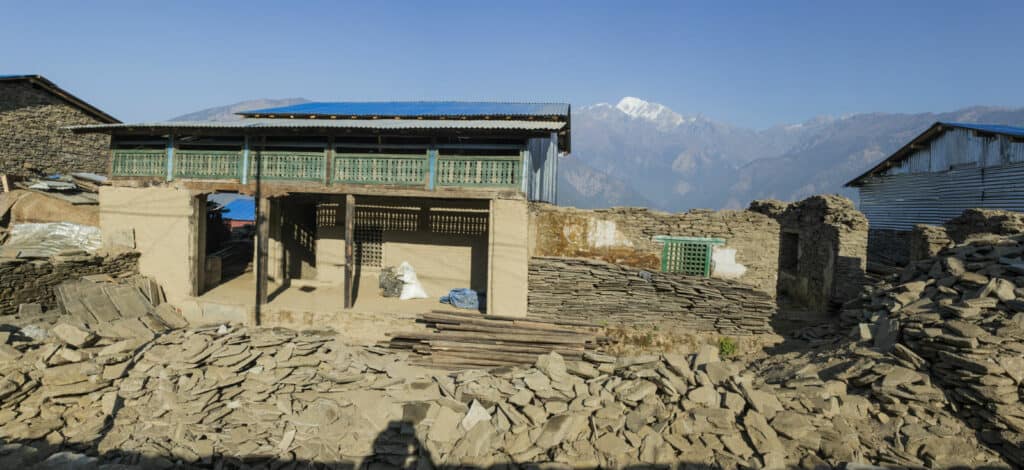
The SAARC region is prone to a variety of disasters. Globally there is a movement to build back safer after disasters, in order to reduce future risk and vulnerability and support sound development. In addition, global humanitarian standards and policy call for reducing or eliminating negative environmental impacts of recovery and reconstruction. It is essential…
Read MoreNepal Earthquake 2015 Building Back Better, Safer and Greener for a More Resilient Nepal
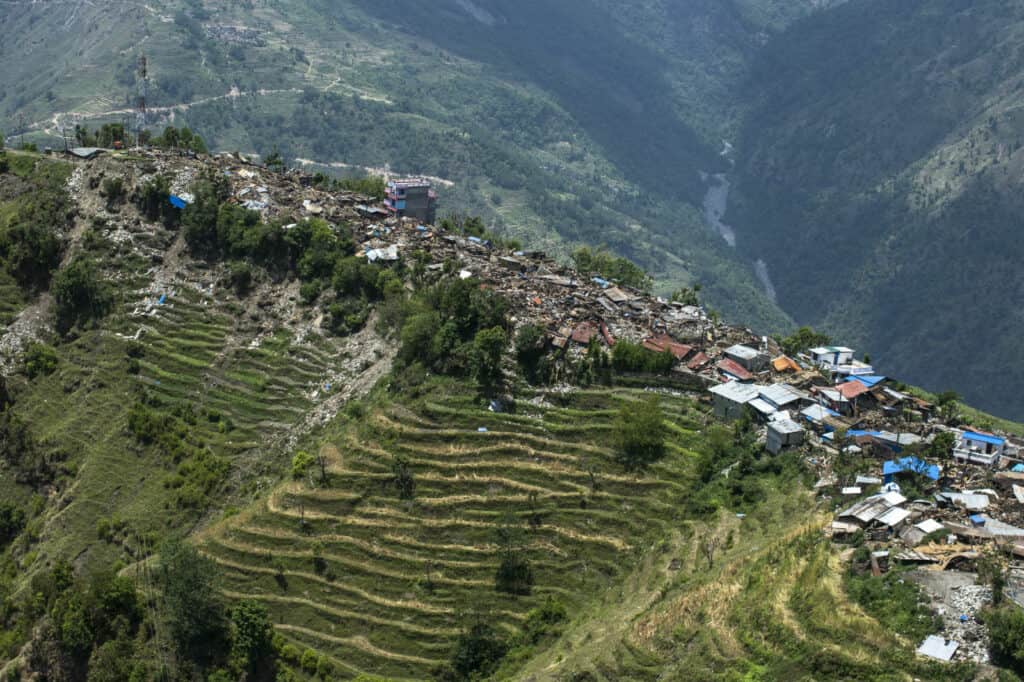
The Nepal earthquake in April 2015 and its aftershocks resulted in huge loss of life, injury, and economic damage. The estimated value of damage and loss was US$7 billion, a large proportion of it housing. Other sectors that require significant reconstruction include agriculture, education, roads, energy, tourism, industry, water and sanitation, and forestry. A rapid…
Read MoreFiji Environmental Issues: March 2 Update
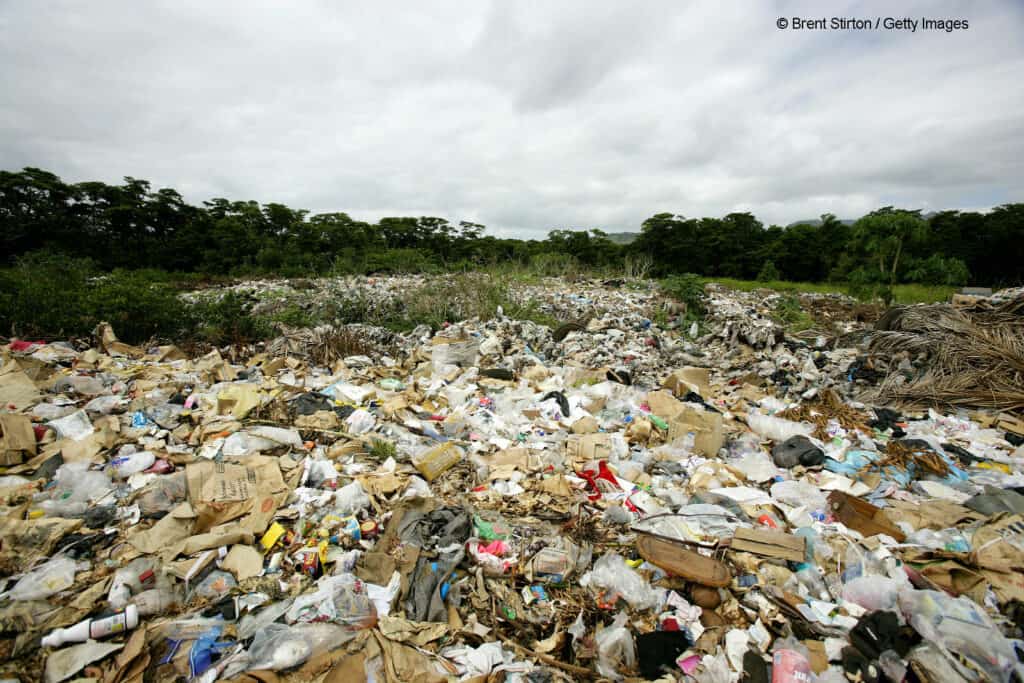
This note provides a summary of key environmental considerations rising in relation to the passage of Cyclone Winston over Fiji. The note is based on reports available on ReliefWeb and through online searches.
Read More